The Luso-Indians: Goans, Mangaloreans and East Indians
Three communities, one shared past. Learn your caste, your history.

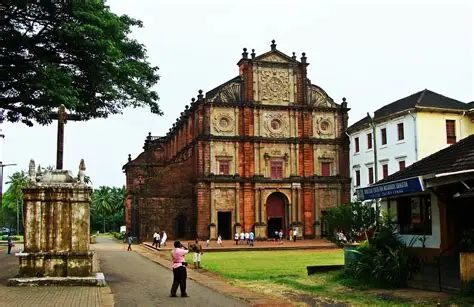
In 1510, Afonso de Albuquerque took Goa from the Bijapur Sultanate, a Muslim power. Timoja, a Hindu naval commander, guided the Portuguese fleet and fought alongside them to break Bijapur's grip. Goa was ruled by Muslims before Portugal, and the Portuguese relied on local power brokers to hold it.
The Foral de Mexia (1526) preserved the gaunkari village system, keeping Gaud Saraswat Brahmins as tax collectors and administrators, with tribute now flowing to Lisbon. Portugal lacked the manpower to rule by force alone.
Conversions began in 1541. The Goa Inquisition followed in 1560. Brahmins who had partnered with the Portuguese became targets. Many fled to Mangalore. Tipu Sultan's 1783 siege took tens of thousands of Mangalorean Catholics captive; a fraction survived.
Goan society mixed and ranked at once: pure-blooded Portuguese, mestiços, crioulos, African slaves and soldiers, Brahmins, Chardos, Vandaris, toddy tappers, fishermen, Kunbis. Endogamous marriage kept communities distinct even as they shared surnames like deSouza and Fernandes.
Goans are the descendants of those who stayed—Brahmin, Chardo, Vandari, toddy tapper, fisherman, Kunbi—their caste identities preserved beneath Portuguese names and Catholic faith.
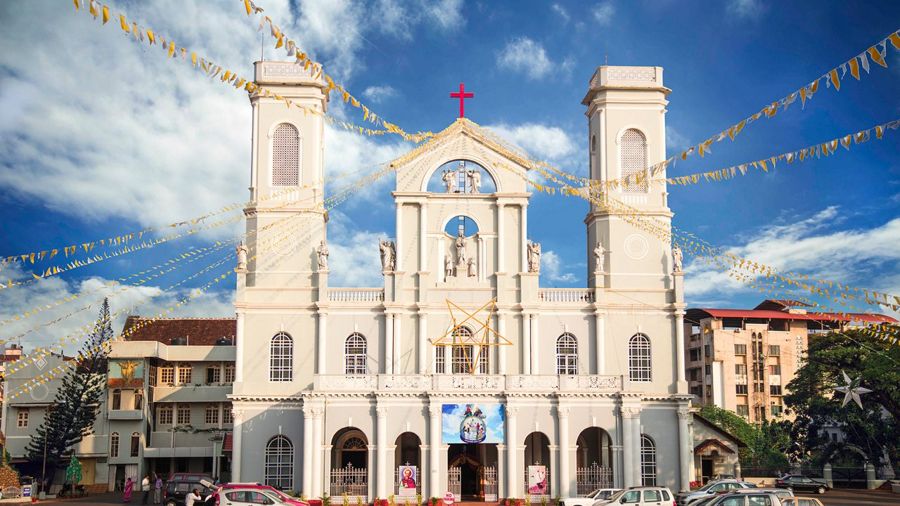
Mangaloreans descend from Goan refugees—largely Gaud Saraswat Brahmins and Chardos—who fled south during the Inquisition and wars, then survived Tipu Sultan's captivity.
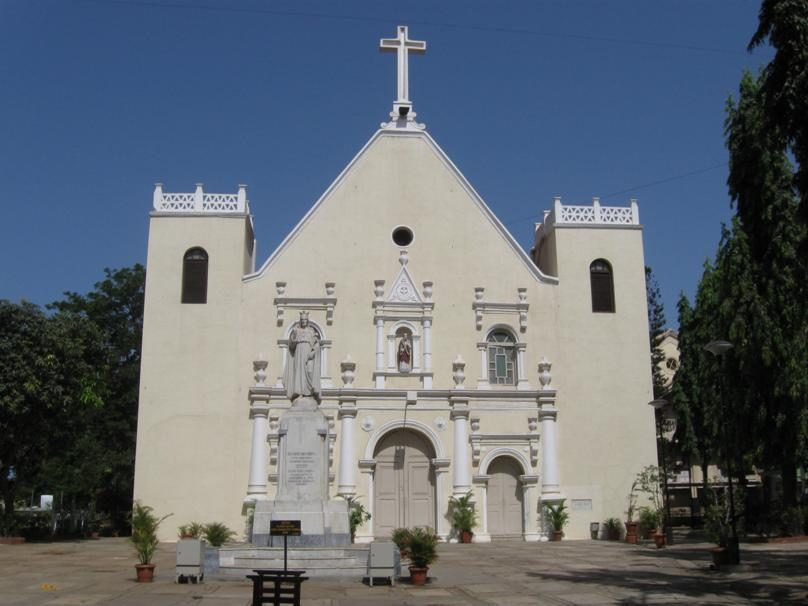
East Indians trace their Indo-Portuguese roots to Bombay's seven islands, Portuguese from 1534 to 1661 and ceded to Charles II as Catherine of Braganza's dowry. Their communities—mostly Kunbi cultivators and fishing castes—converted under Portuguese patronage.
The book is free so Goans, Mangaloreans, and East Indians can trace this history themselves.
Agnes deSouza founded the Portuguese India Forum. She is a student at Aiglon College, Switzerland, and the author of The Foral de Mexia: How Portugal Ruled Goa for 451 Years.
Read Agnes's biographyMost Goan Catholic families descend from Hindu families who converted in the 16th and 17th centuries. The records below can help trace a family back to its village, community and caste before conversion.